

June 15, 2026
This June, ISCBC’s Executive Director, Gail Wallin, will present at the World Biodiversity Forum in Switzerland on the importance of engaging community members to watch and detect invasive species.
The World Biodiversity Forum brings together researchers, practitioners, policymakers, and community leaders from around the world to advance solutions for biodiversity conservation. This year’s event will explore how collaboration, innovation, and collective action can help address some of the most pressing challenges facing biodiversity today.
Wallin’s presentation, WILD SPOTTER™ – Empowering People in Communities Against Invasive Alien Species to Protect Native Biodiversity in Wild Places, explores a unique engagement program that can be used worldwide and helps communities detect and respond to invasive species before they become established and cause lasting impacts.
Invasive species are recognized as one of the five major direct drivers of biodiversity loss globally. In response, the Kunming-Montreal Global Biodiversity Framework includes a dedicated target focused on reducing the introduction and spread of invasive species and managing those that pose the greatest risk. While governments, researchers, and land managers all play important roles, communities are often the first to notice when something is changing.
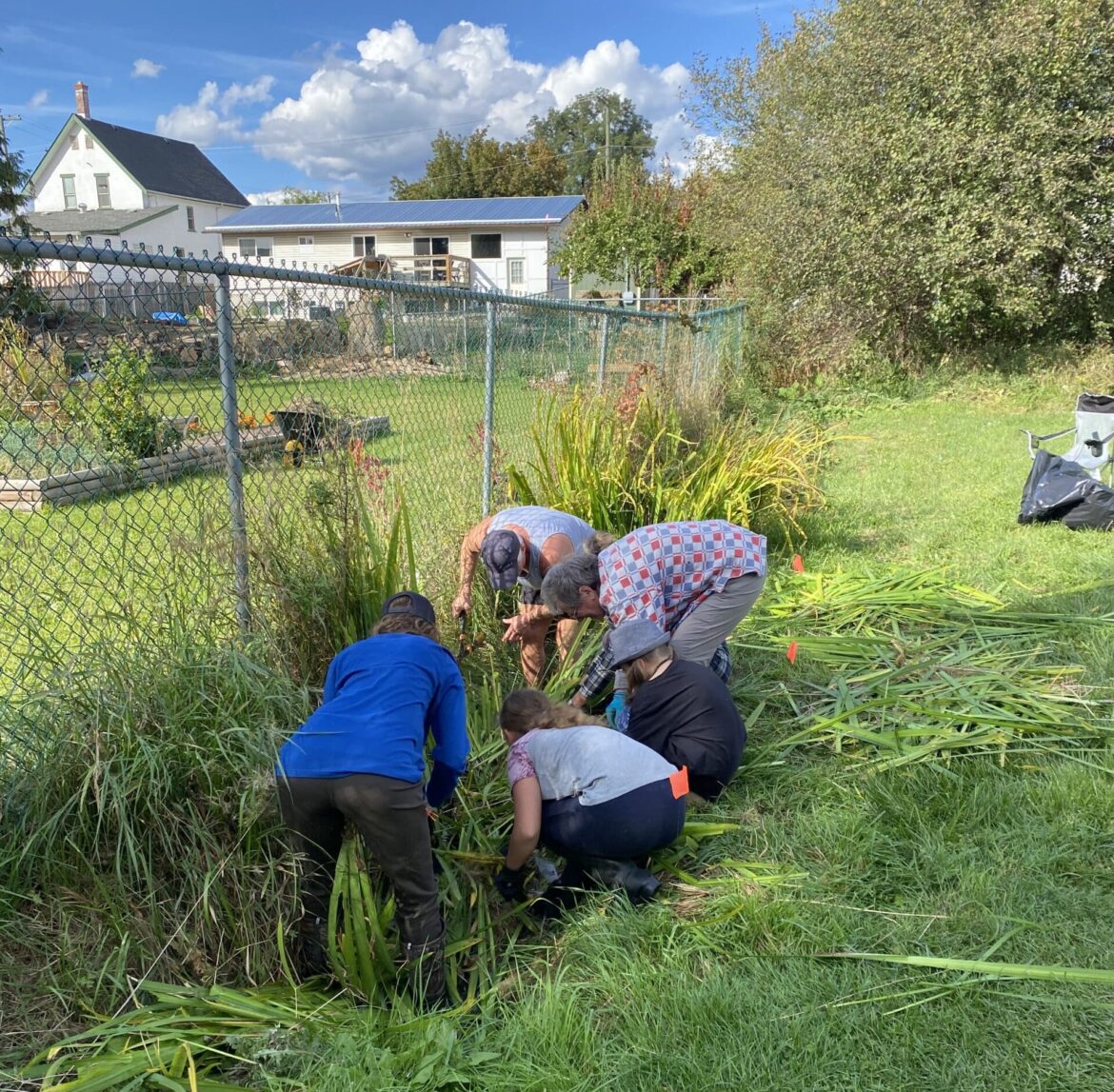
Whether it’s a hiker noticing an unfamiliar plant along a trail, a gardener finding an insect they haven’t seen before, or an angler spotting something unusual in a local waterway, community observations can provide valuable early warnings. Through reporting tools and monitoring programs, those observations can support rapid response efforts before a species becomes established and spreads.
In fact, public observations have helped detect several high-profile invasive species in Canada, including emerald ash borer, northern giant hornet, northern snakehead, and zebra mussels.
For Wallin, the opportunity to present at the Forum is a chance to highlight the role community members can play in protecting the places they care about and to share lessons learned with an international audience.
“No one knows a place better than the people who live, work, and spend time there,” said Wallin. “When something unfamiliar appears, community members are often the first to notice it. The more people who know what to look for and how to report it, the better our chances of detecting new invasive species early.”

Supporting community awareness, monitoring, and reporting has long been a key part of ISCBC’s work. By helping people recognize, report, and respond to invasive species, these efforts contribute to healthier ecosystems and support broader biodiversity conservation goals.
The presentation reflects a growing recognition that invasive species management and biodiversity conservation are closely connected. Around the world, organizations are looking for ways to engage communities, strengthen partnerships, and expand monitoring efforts to help address environmental challenges at a larger scale.
For ISCBC, participating in the World Biodiversity Forum is an opportunity to contribute British Columbia’s perspective to an international conversation on biodiversity, connect with practitioners from around the world, and bring new ideas and insights back to the work happening here at home.
Because when it comes to invasive species, one observation can make all the difference.
Share