


Access practical tools to identify priority invasive pests, reduce spread through effective biosecurity practices, and respond using appropriate management and reporting pathways. This resource hub brings together applied guidance, training materials, and expert-led sessions developed to support agricultural producers and land managers across British Columbia.
Who are these resources for?
Pick Your Stream
Select the production system that best reflects your operation to access tailored training, identification tools, and management guidance. Each stream highlights sector-specific risks, prevention strategies, and response pathways relevant to agricultural producers in British Columbia.
Stream 1:
Forage and Rangeland
Designed for forage producers, ranch managers, and grassland operators. This stream focuses on invasive plants, insects, and pathogens affecting hay fields, pasture systems, and rangelands. Access forage-specific eLearning, workshop recordings, and practical tools to support early detection, biosecurity planning, and integrated management.
Stream 2:
Fruits, Berries, and Vineyards
Designed for orchard, berry, and vineyard producers and crop advisors. This stream addresses invasive pests and diseases affecting perennial fruit systems, with emphasis on identification, sanitation protocols, and reporting processes specific to high-value crops.
Cross Sector Resources:
Designed for producers, advisors, and agricultural professionals working across multiple production systems. This stream brings together tools that apply broadly to forage, rangeland, orchard, berry, and vineyard operations. Access identification support, biosecurity guidance, prevention strategies, and reporting pathways relevant to invasive plants, insects, and pathogens affecting agriculture throughout British Columbia.
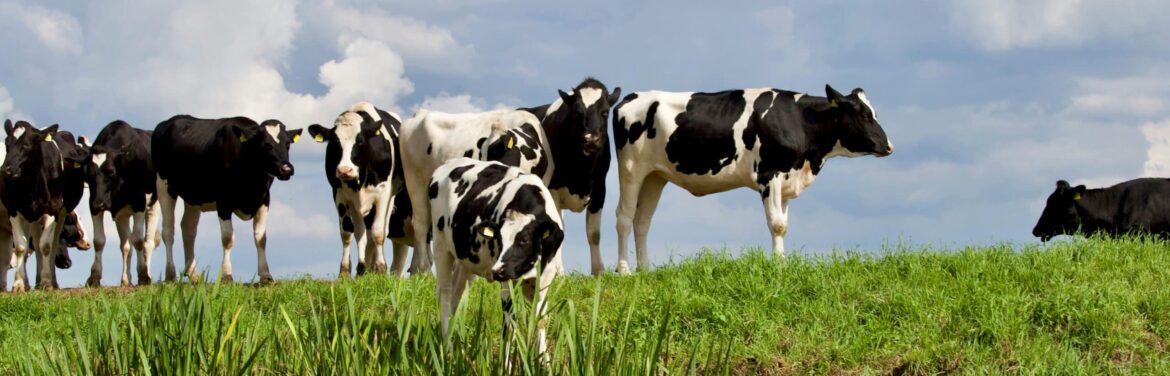
Stream 1: Forage and Rangeland Resources
eLearning Course
Invasive Species in Forage Production
This course focuses on invasive species risks within forage and grassland systems. Learn how agricultural disturbance influences spread, how to recognize priority plants and pests, and how to apply biosecurity and integrated management practices to protect productivity and ecosystem health.
Full day workshop recordings
Workshop: Invasive Species in Agriculture: Forage Production
Speaker: Torin Kelly, Special Projects Lead, Invasive Species Council of BC; Catherine Tarasoff , Principal Owner, Agrowest Consulting Scientists
This workshop addressed invasive species risks within forage systems across British Columbia. The morning sessions provided an introduction to invasive species affecting forage production, including plants, insects, and pathogens, alongside relevant legislation and reporting processes. Technical content emphasized identification using local examples, winter plant identification techniques, and management strategies integrating prevention, early detection, and response. Participants applied these concepts through structured group scenarios designed to strengthen on-farm biosecurity planning and reduce invasive species impacts in forage operations.
Webinar series recordings
Webinar 1: Impacts of Invasive Plants on B.C. Grasslands
Speaker: Mike Dedels, Executive Director, Grasslands Conservation Council
Although grasslands cover less than 1% of B.C., they are disproportionately impacted by invasive plants—few native grasslands remain unaffected. Early control efforts focused on forage production, but we now understand that healthy grasslands are vital for biodiversity, traditional use, wildlife habitat, water cycling, carbon storage, and scenic value. Learn about key invasive plants in southern B.C., their impacts, and control methods.
Webinar 2: Building Resilient Forage Systems
Speaker: Dr. Catherine Tarasoff, Principal Owner, Agrowest Consulting Scientists
This session reviews the foundations of integrated weed management and explores how to build resilient forage stands using Forage 101 principles. Learn how to integrate weed management into forage practices and see how one northern B.C. producer reduced weed abundance through a multivariety alfalfa blend.

Stream 2: Fruits, Berries, and Vineyards
eLearning Course
Invasive Species in Fruits, Berries, and Vineyards
This course addresses invasive plant, insect, and pathogen risks in perennial fruit systems. Learn crop-specific pathways of introduction, early detection strategies, sanitation protocols, and reporting requirements relevant to orchard and vineyard production.
Full day workshop recordings
Workshop: Invasive Species in Agriculture: Fruits, Berries, and Vineyards Production
Speaker: Torin Kelly, Special Projects Lead, Invasive Species Council of BC; Molly Thurston, Agronomist, Pearl Agricultural Consulting, Inc
This workshop focused on invasive and pest species affecting fruit, berry, and vineyard production in British Columbia. The session began with an overview of regional invasive plants, insects, and pathogens, including the legislative framework governing invasive species management in B.C. and reporting pathways for producers. Technical presentations highlighted crop-specific impacts, identification techniques using local case studies, and integrated management strategies that combine prevention, detection, and response. The workshop concluded with applied group scenarios, where participants worked through realistic producer-based situations to reduce the risk of introduction, establishment, and spread within perennial production systems.
Webinar series recordings
Webinar: Invasive Insect Pests in B.C. Orchards and Vineyards
Speaker: Susanna Acheampong, Provincial Extension Entomologist, B.C. Ministry of Agriculture and Food
Invasive insects threaten tree fruit orchards and vineyards in B.C. This session highlights key pests including spotted wing drosophila, apple clearwing moth, brown marmorated stink bug, and Japanese beetle. Learn about their identification, biology, prevention, and management—and hear about emerging pest threats on the horizon.
Webinar: Emerging Pests to British Columbia and novel approaches to survey and response activities
Speaker: Tracy Hueppelsheuser, Director of Plant Health, B.C. Ministry of Agriculture and Food
B.C. is a diverse province with many ecozones, from coastal rainforests to arid desert landscapes. Its plant agriculture industries are equally varied, ranging from tree fruit and berries to indoor and outdoor ornamentals, canola, and grass seed production. As trade, travel, and coastal port access continue to grow, the risk of new pest incursions is increasing. This presentation will explore current pest concerns in B.C. and highlight innovative approaches to survey, prevention, and response, including practical tips and strategies producers can use on their farms.

Cross Sector Resources
Micro-Video Learning Series
Watch five concise videos that outline how invasive species are introduced and spread, what to look for in the field, and how to reduce risk through practical prevention measures. Each segment focuses on actionable steps that can be applied directly within production systems.
Field Guide to Agricultural Weeds and other Invasive Species of British Columbia
Use this new field guide to recognize priority invasive plants, insects, and pathogens affecting agricultural systems in B.C. The guide highlights key identification features, life stage indicators, and field-relevant characteristics to support early detection and informed response decisions.
Additional Resources from Partner Organizations
Invasive species prevention and management require coordinated action across sectors and jurisdictions. This section highlights complementary tools developed by provincial ministries, producer associations, research institutions, and industry organizations. These resources expand on regulatory requirements, technical best management practices, crop-specific pest guidance, and regional reporting platforms. Users are encouraged to consult these materials alongside ISCBC resources to support informed, evidence-based decision-making within their specific production systems.
This project was funded by the Government of Canada and the Government of British Columbia through the Agriculture Workforce Development Initiative. The initiative is delivered by the Investment Agriculture Foundation of BC